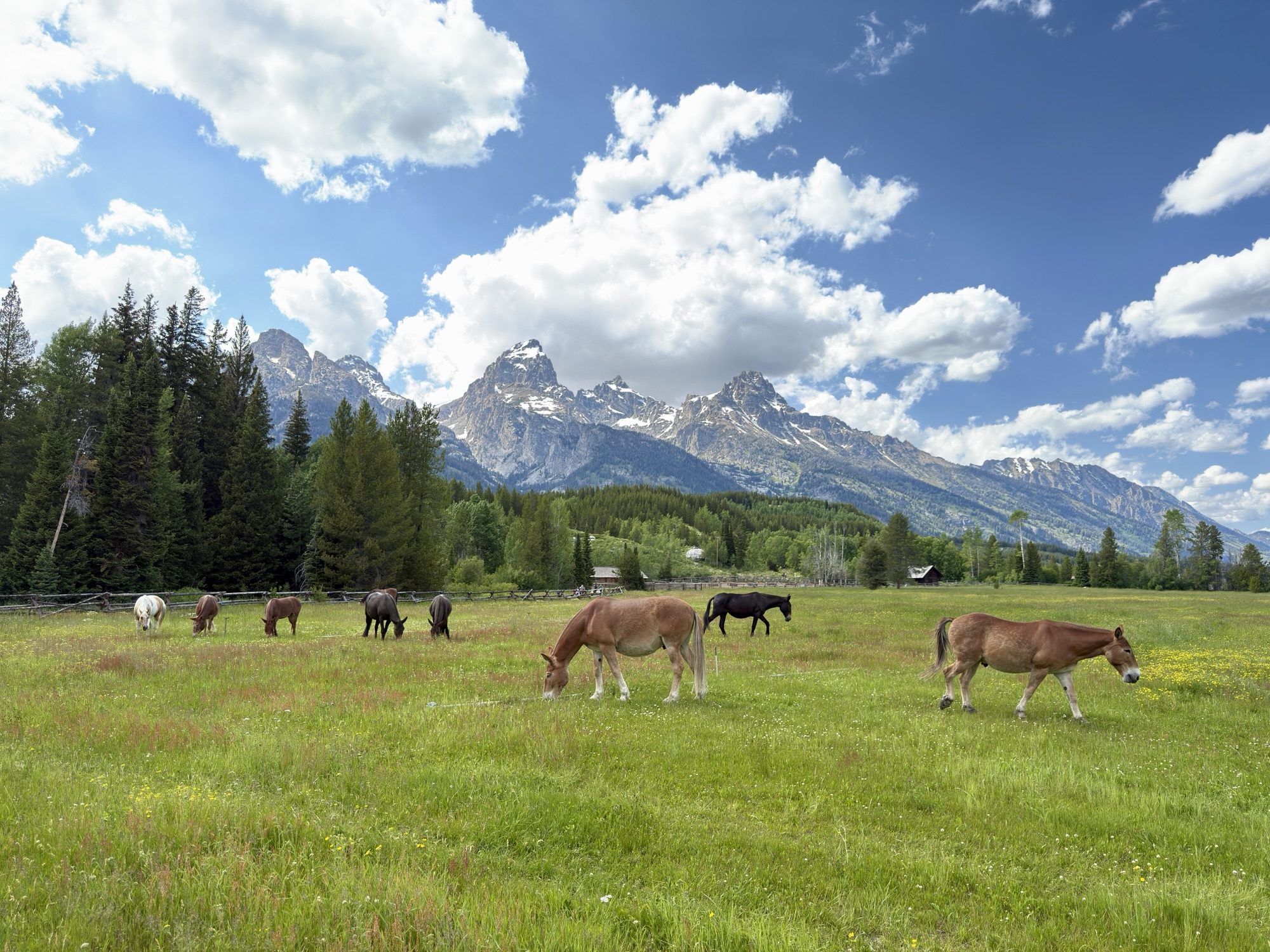
Grand Teton National Park is simply breathtaking. The towering, jagged peaks of the Teton Range rise so abruptly from the surrounding flatlands - especially on the eastern side - that they almost seem surreal, like a painted backdrop brought to life.
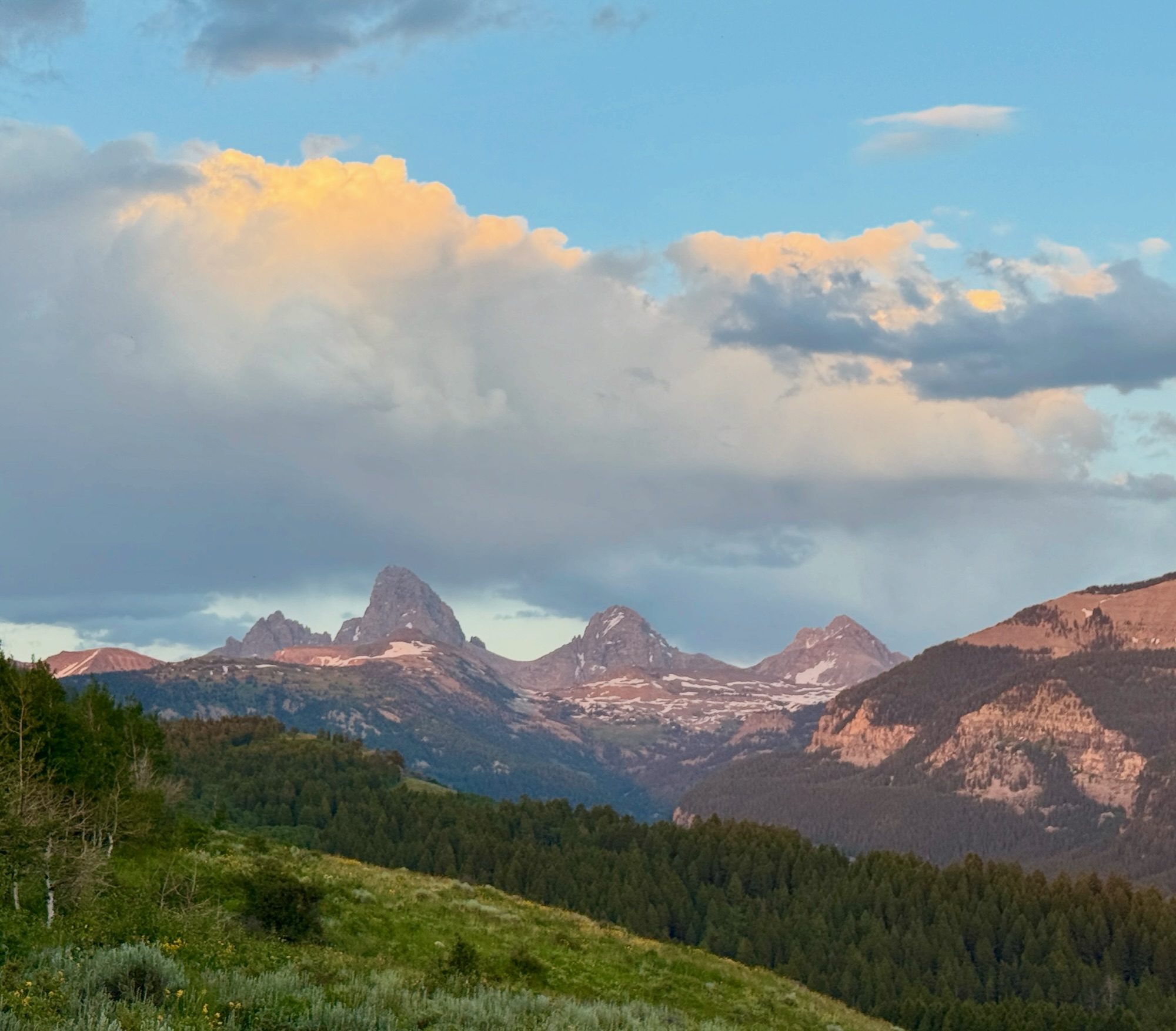
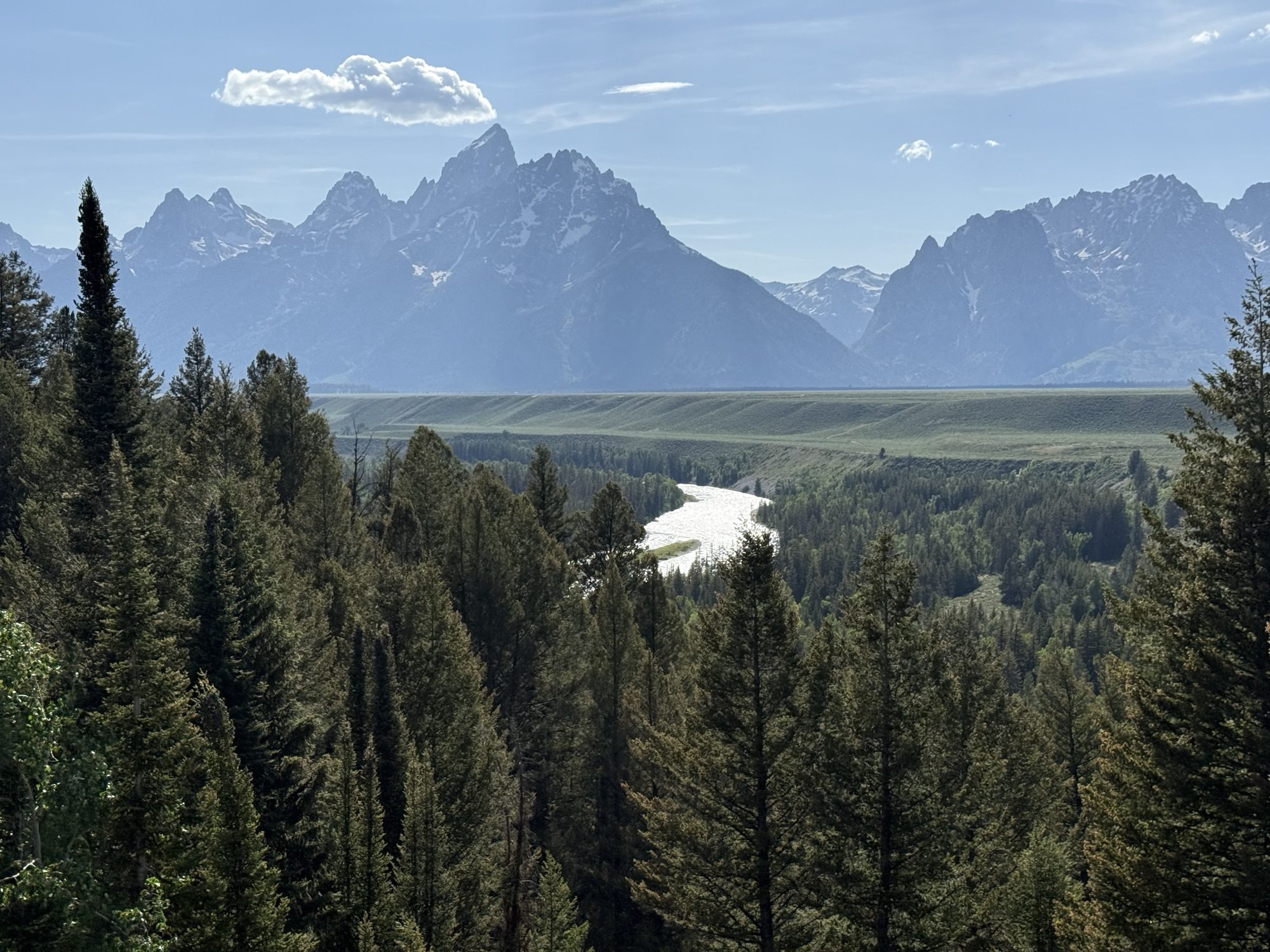
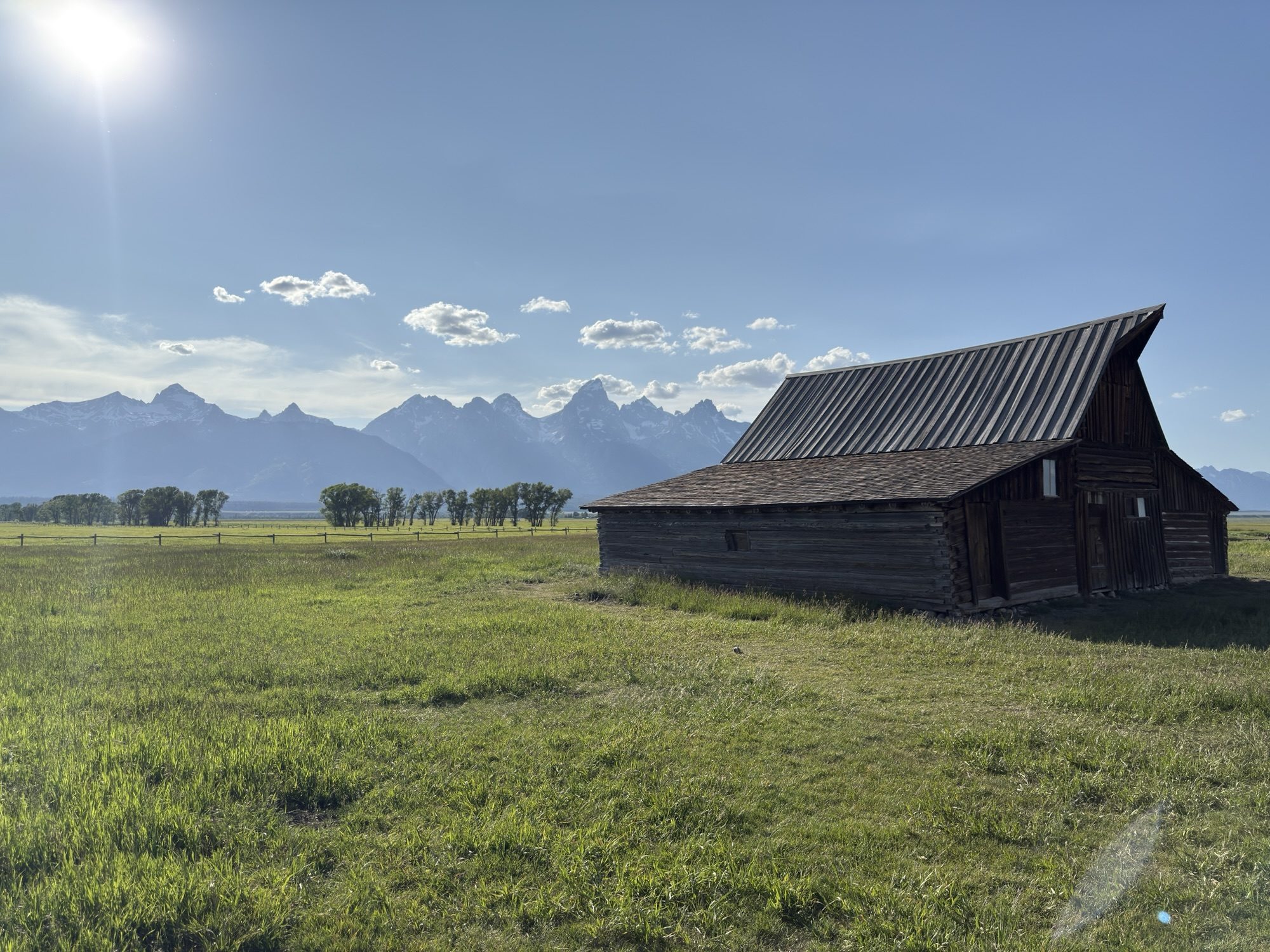
Unlike its massive neighbors—Yellowstone and Glacier—Grand Teton is relatively compact. But that’s part of its charm. One major advantage is that you don’t need to enter the park gates to enjoy spectacular views. From the east (Wyoming), Highway 89 offers stunning panoramas, and from the west (Idaho/Targhee region), the range looms just as impressively in full view.
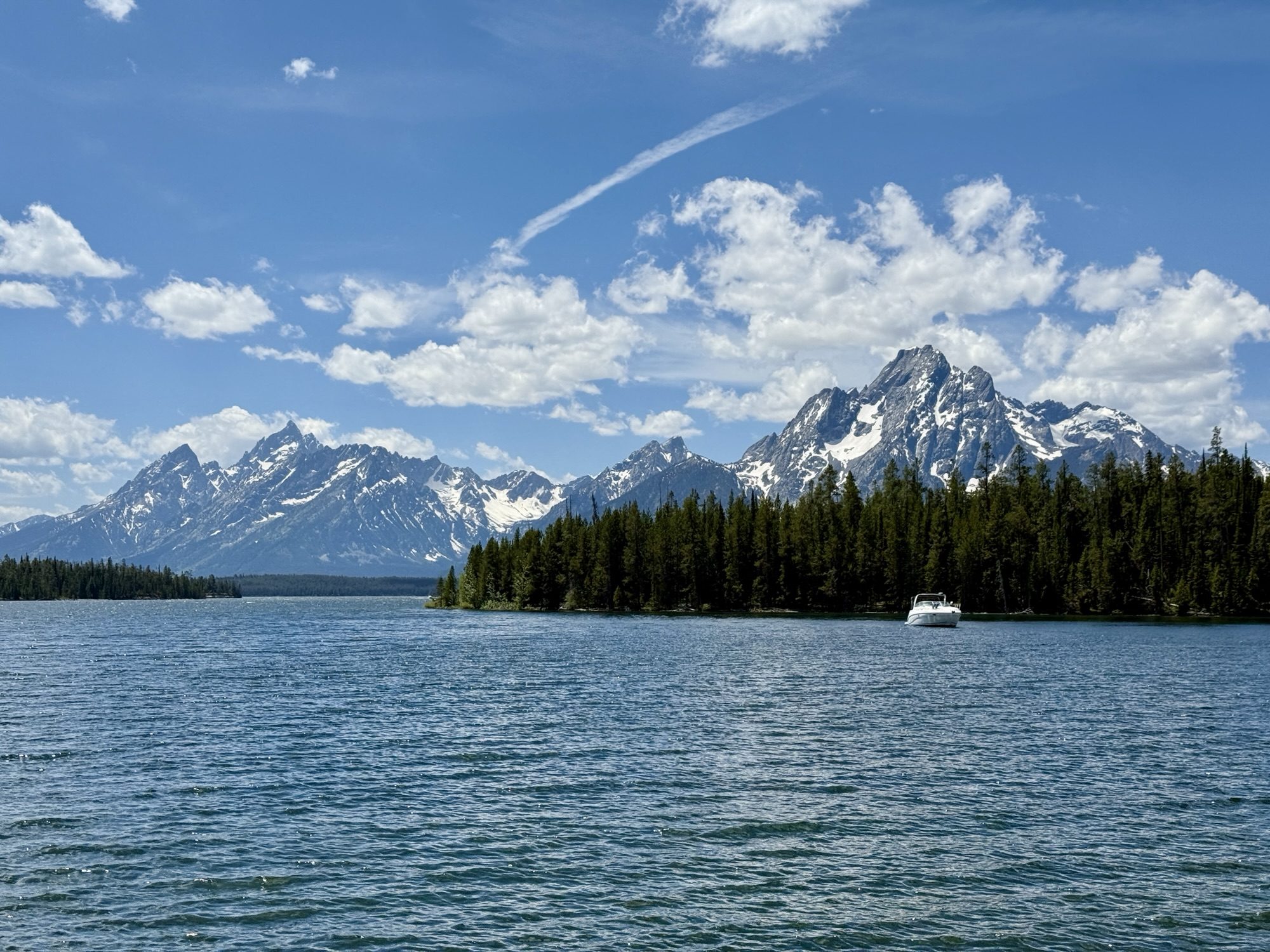
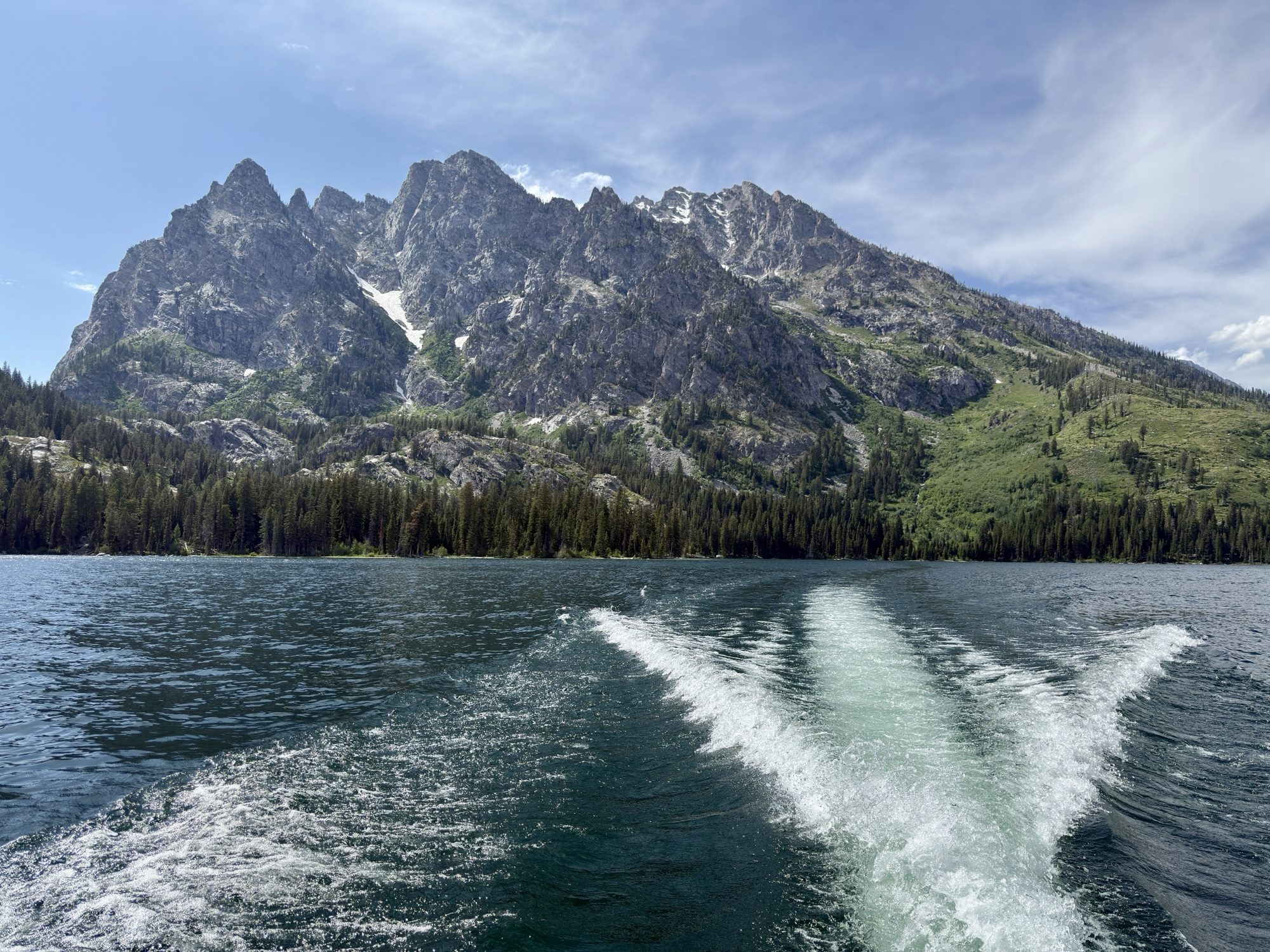
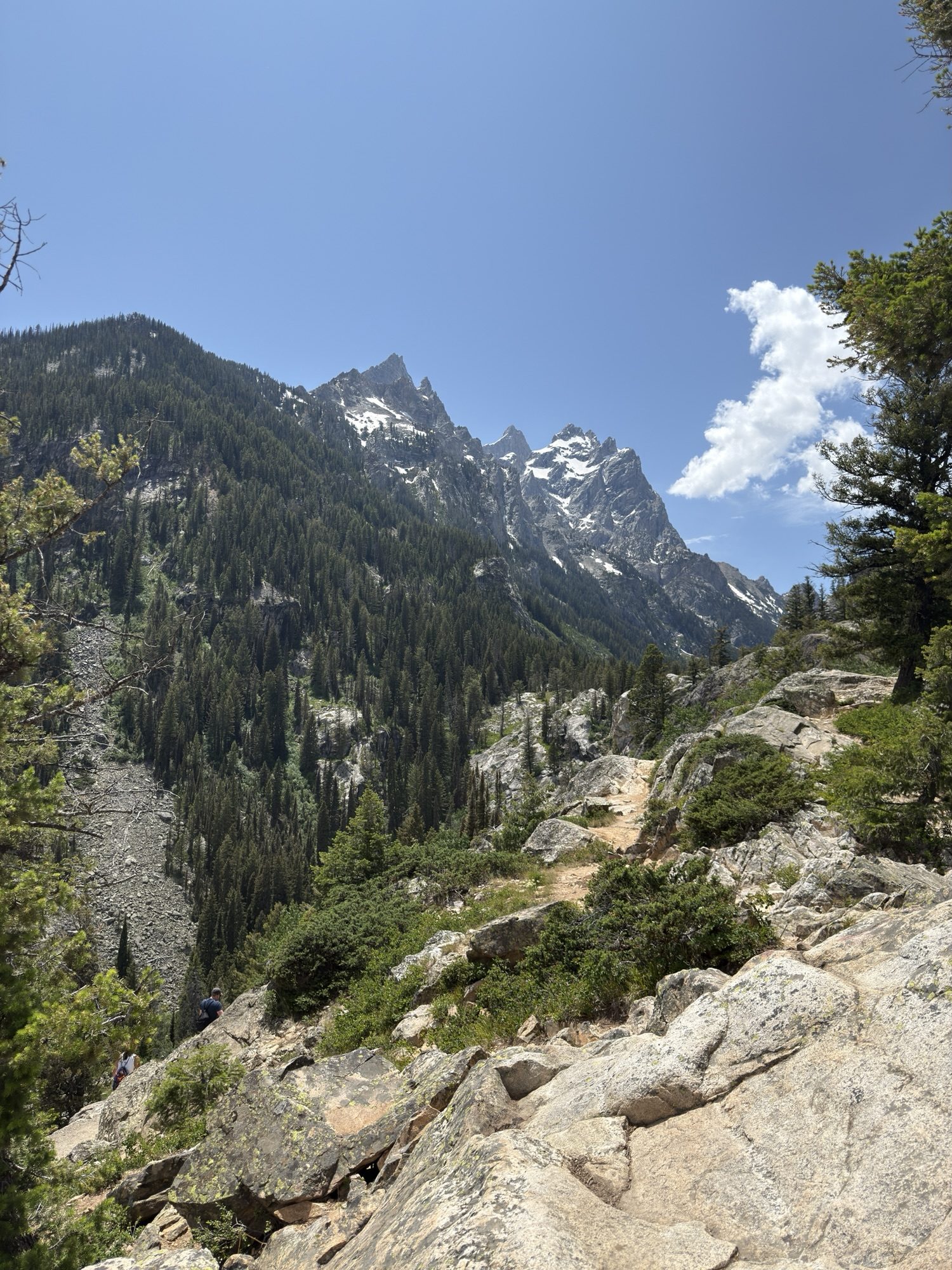
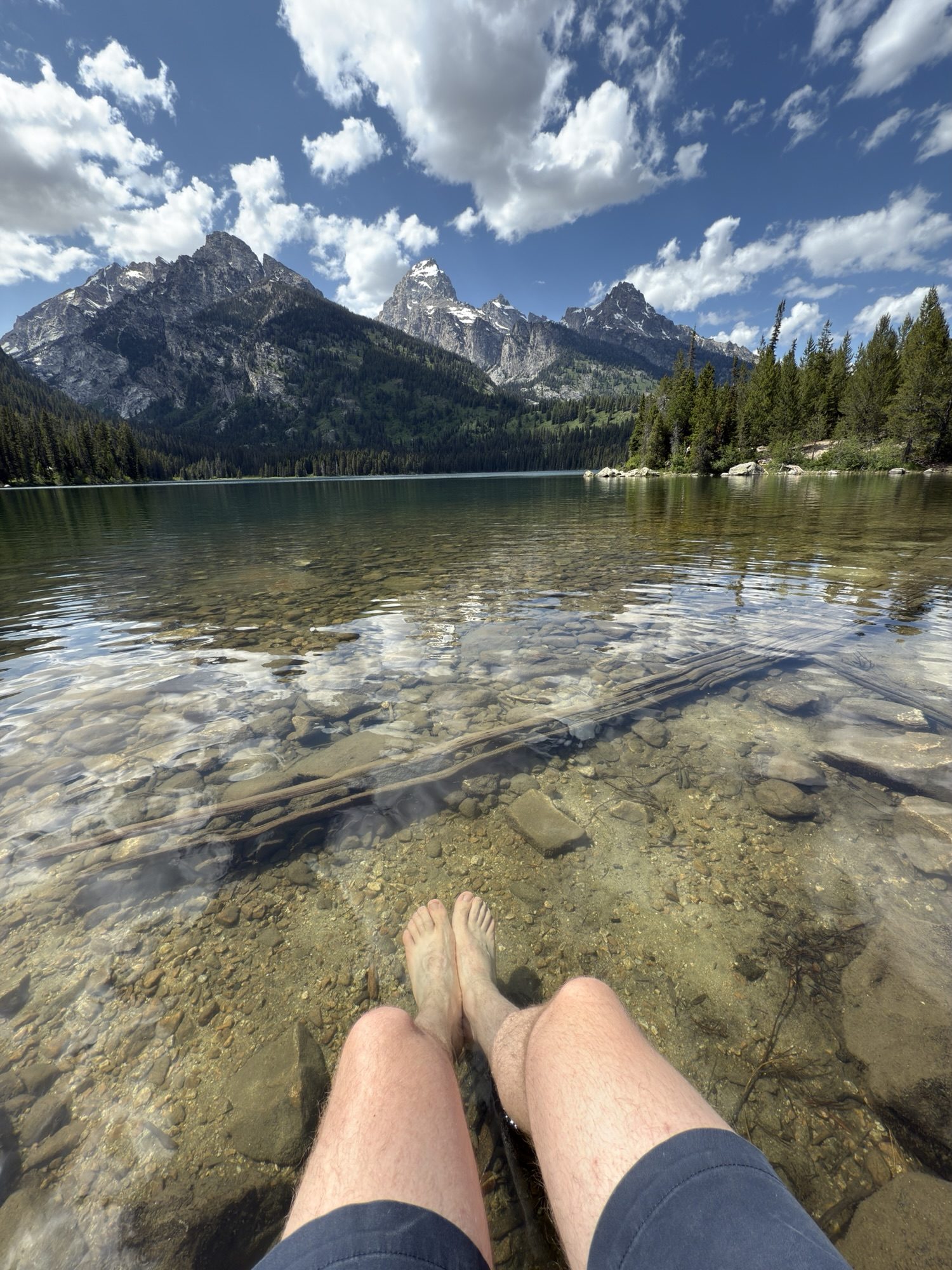
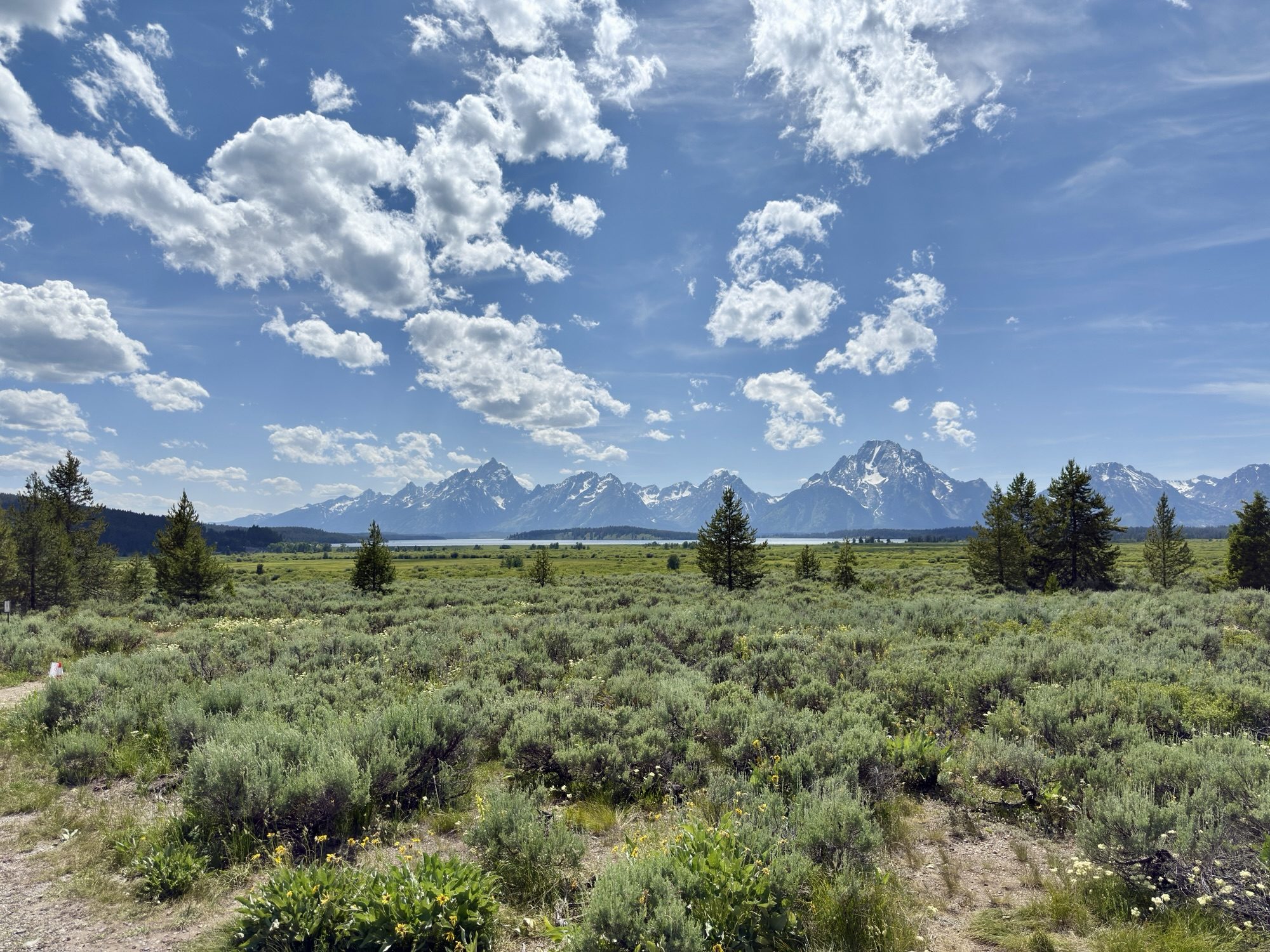
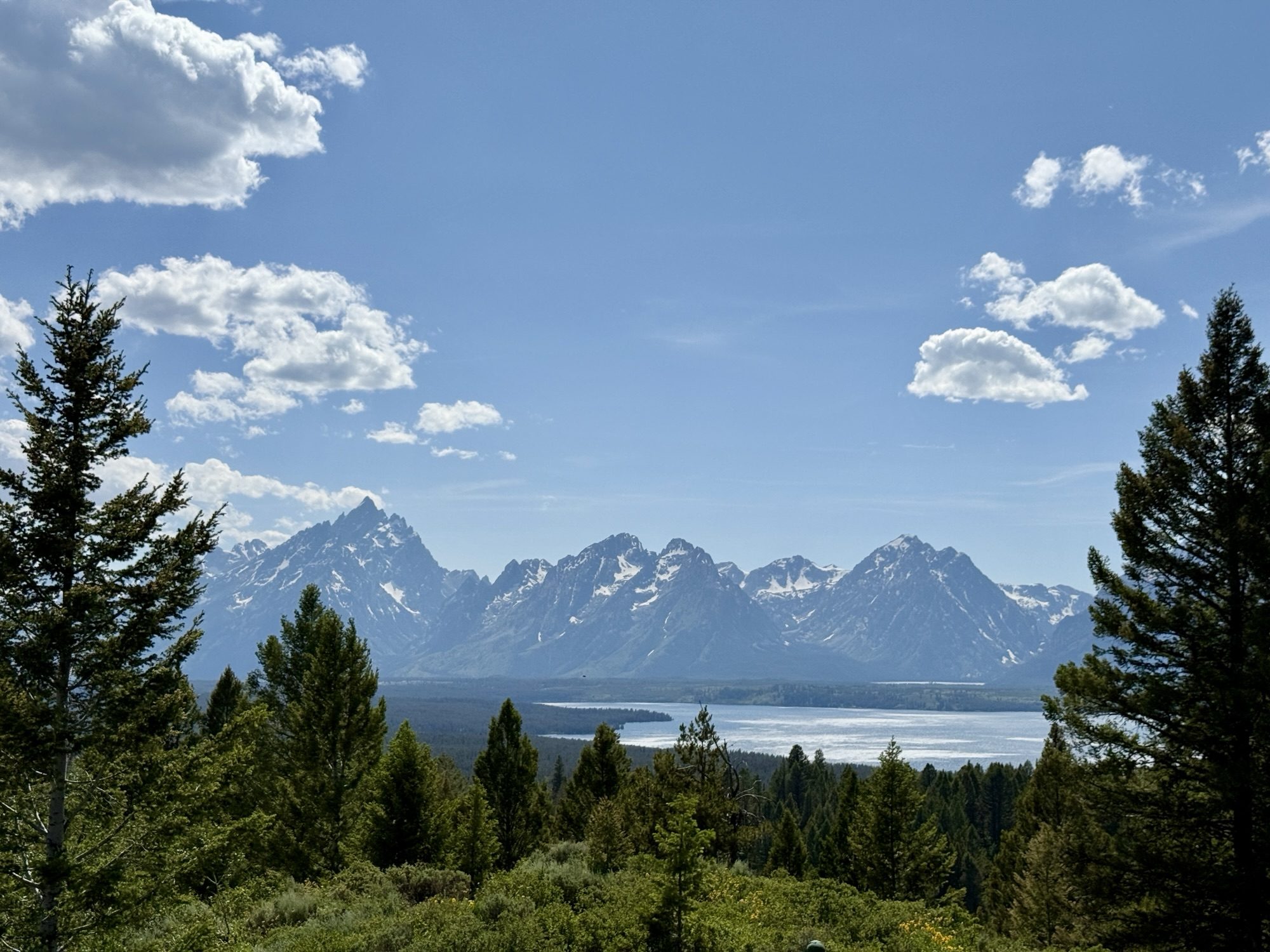
That said, it’s absolutely worth venturing into the park. Some of the most memorable experiences come from up-close encounters with the lakes and trails. Taggart Lake, for example, is an easy and rewarding hike, offering a picture-perfect scene with the still waters in the foreground and the dramatic peaks towering behind.
Along the inner park road, countless pullouts give you a closer, often more stunning perspective than anything visible from the highways. One unmissable destination is Signal Mountain. The drive to the summit winds through a forest that feels almost enchanted, culminating in sweeping views across the plains and the full Teton range.
To keep the trip budget-friendly, I based myself in Driggs, Idaho - saving several hundred dollars per night compared to Jackson. The tradeoff was about an hour of extra driving, but crossing the scenic Teton Pass each day turned that into a perk. I was lucky, too—the pass was open during most of my stay but closed on my final day, doubling the return drive time from Jackson to Driggs.